Iris Beck · 16 October 2026
Barrel Supply Chain Disruptions Force Northern Italian Estates to Rethink Traditional Aging Timelines
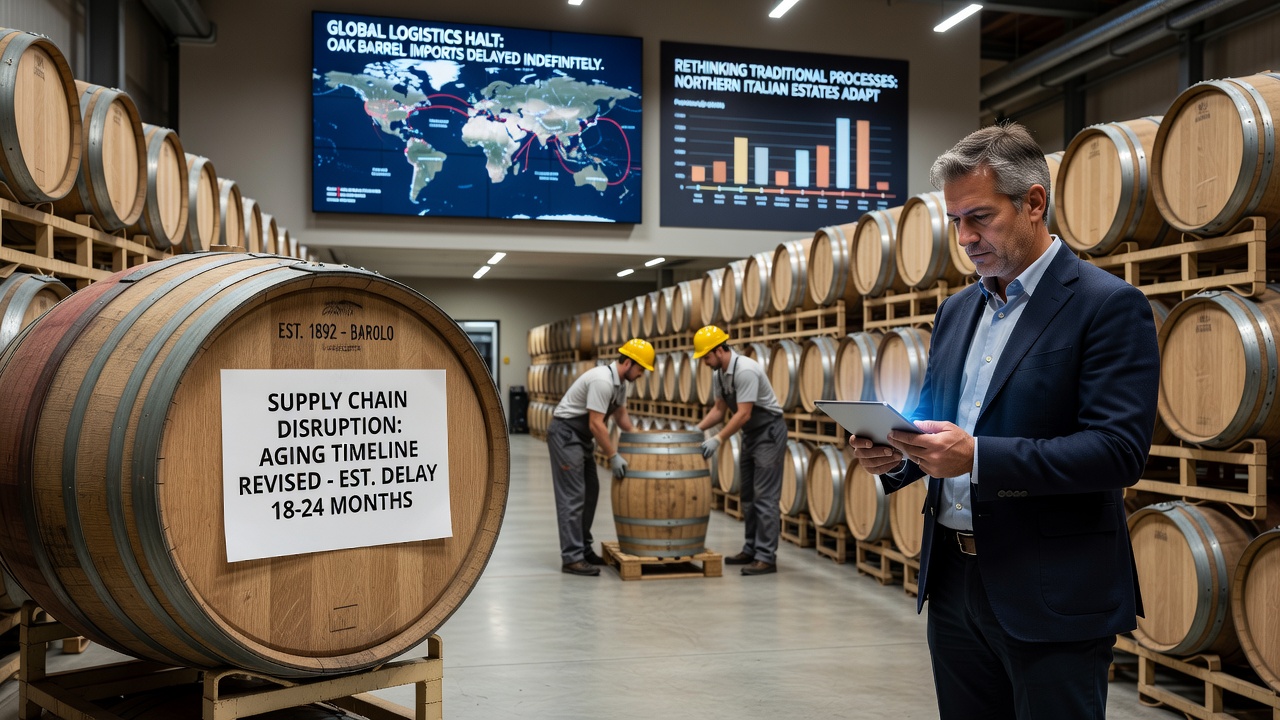
Supply chain interruptions in oak barrel production and delivery have prompted estates across Northern Italy to adjust long-standing wine aging practices that date back centuries, and researchers tracking the sector note these shifts began accelerating in late 2025 with effects visible through October 2026. Estates in regions such as Piedmont and Veneto rely on French and Eastern European oak for barrels that impart structure and flavor during extended maturation periods for wines like Barolo and Amarone, yet delays in timber sourcing, shipping backlogs, and rising material costs have created persistent shortages.
Origins of the Disruptions
Global timber markets experienced volatility after multiple weather events reduced oak yields in key French forests during 2024, while transportation constraints from Eastern European suppliers added further pressure, and data from trade monitoring organizations shows barrel imports to Italy dropped by 18 percent year-over-year through mid-2026. Estates that traditionally ordered barrels 18 to 24 months in advance found lead times stretching beyond 30 months, forcing production planners to seek alternatives or compress schedules. One study from an Italian agricultural research institute revealed that 62 percent of surveyed Northern producers reported at least one delayed shipment between January and September 2026.
Adjustments in Maturation Practices
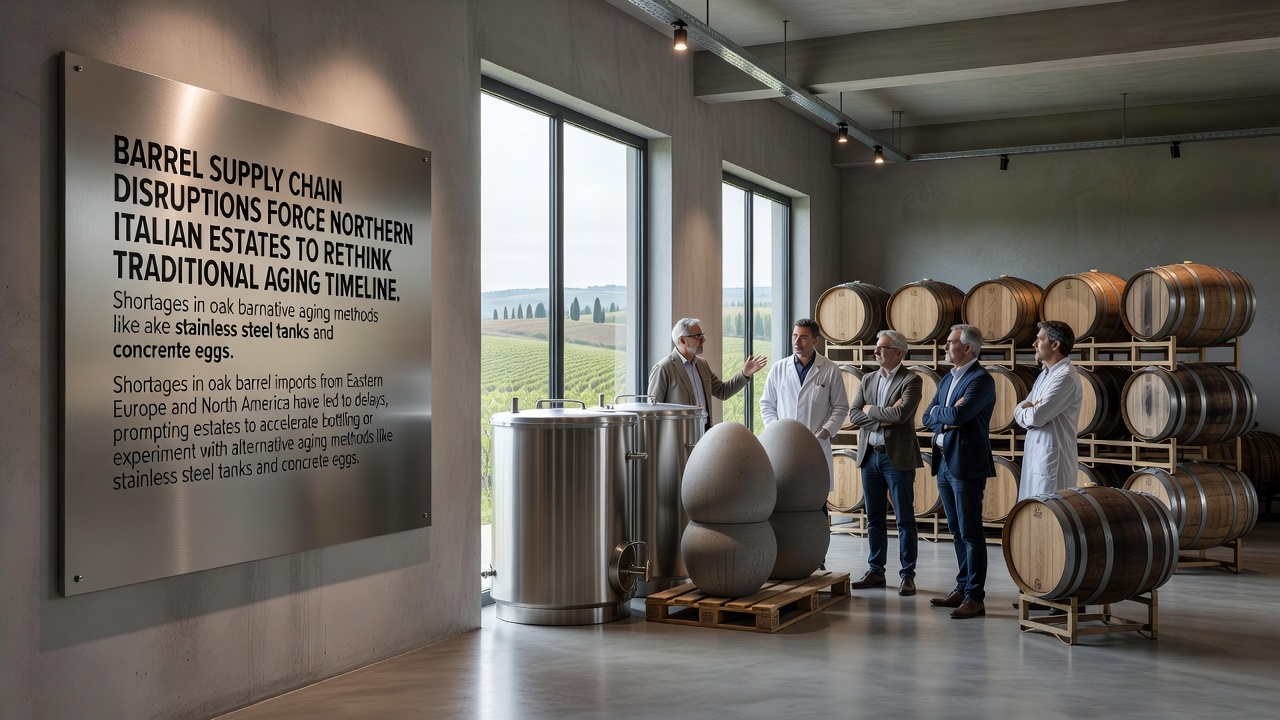
Many estates shortened barrel aging periods by three to six months for certain vintages, substituting stainless steel tanks or concrete eggs for portions of the aging process while preserving some oak contact through smaller-format casks or staves. Observers note that this hybrid approach maintains phenolic development yet reduces the intensity of vanilla and tannin extraction that longer barrel time typically provides. In October 2026, production records from several Piedmont cooperatives indicated a 22 percent rise in wines released after 18 months rather than the traditional 24 or more for entry-level Barolo designations.
What's interesting is how these changes intersect with existing regulations that set minimum aging requirements for DOCG wines, and producers have petitioned for temporary flexibility without altering quality standards. European trade data links the disruptions to broader logistics strains affecting multiple agricultural sectors, whereas Italian producers emphasize that wine-specific oak specifications limit quick pivots to alternative woods.
Regional Variations and Data Trends
Veneto estates producing Amarone experienced comparable pressures because their traditional large Slavonian oak casks face the same import bottlenecks, and figures from regional consortia show a 15 percent increase in concrete vessel installations since 2025. In contrast, some smaller Piedmont producers turned to used barrels from Burgundy and California, extending the usable life of existing stock while new orders awaited fulfillment. Research indicates that barrel costs rose 35 percent between 2024 and 2026, prompting larger estates to invest in on-site cooperage partnerships that source and season oak domestically where feasible.
But here's the thing: these adaptations do not uniformly affect all wine styles, since entry-level bottlings tolerate shorter oak exposure more readily than reserve designations that require extended maturation. Estates report experimenting with micro-oxygenation techniques in tank aging to mimic barrel effects, and preliminary sensory evaluations from university laboratories suggest comparable color stability and aroma profiles when protocols are calibrated carefully.
Supply Chain Responses and Industry Collaboration
Industry groups have coordinated bulk purchasing agreements across multiple regions to stabilize pricing, while some estates collaborate with French coopers on forward contracts that guarantee allocation despite fluctuating availability. According to reports from the European Commission agricultural trade division, oak barrel trade volumes within the EU stabilized modestly in the third quarter of 2026 after earlier declines. Meanwhile, an analysis published by an Australian wine research center highlighted parallel challenges in other premium regions and noted that Northern Italian estates lead in testing accelerated aging protocols that could influence global practices.
Those who've studied the logistics chain know that seasonal harvesting cycles for oak limit rapid supply increases, and the sector anticipates continued tightness through 2027 unless new forestry management initiatives expand sustainable yields. Estates in Northern Italy continue monitoring these variables closely as they balance tradition with operational realities.
Conclusion
Barrel supply constraints have driven measurable shifts in aging timelines across Northern Italian estates, with production data through October 2026 documenting shorter oak contact periods, increased use of alternative vessels, and collaborative sourcing strategies. These adjustments preserve regulatory compliance while addressing material shortages, and ongoing research continues to evaluate their long-term effects on wine character and market positioning.