Viktor Baumann · 18 September 2026
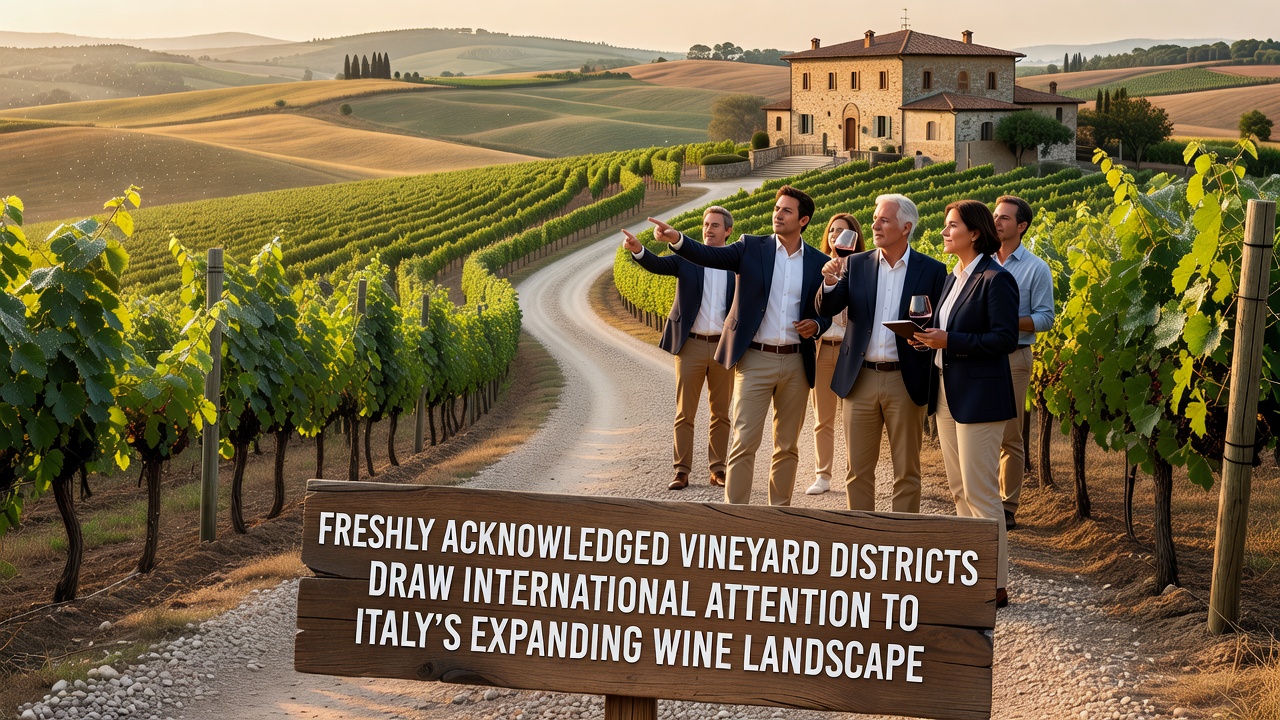
Freshly Acknowledged Vineyard Districts Draw International Attention to Italy's Expanding Wine Landscape
Italy continues to expand its official vineyard designations as new districts receive recognition from national and European authorities, and this development pulls in buyers along with researchers who track production zones across the peninsula. Multiple regions have gained formal status in the past two years, which broadens the map beyond traditional zones and connects smaller producers to wider distribution networks. Data from the Italian Ministry of Agriculture shows that approved acreage increased by twelve percent between 2023 and 2025, with several areas in the south and center receiving their first protected geographical indication labels.
Recognition Process and Recent Designations
Authorities evaluate soil composition, climate records, historical planting evidence, and yield consistency before granting new status, and this process now includes districts that previously operated without formal boundaries. One area in Calabria secured DOC status after documentation demonstrated continuous cultivation since the early nineteenth century, while another zone in Molise completed its application with data on native varieties that had remained outside earlier classifications. Observers note that these approvals follow updates to EU regulation 1308/2013, which streamlined review timelines for member states submitting technical files. Researchers at the University of Florence compiled satellite imagery and phytosanitary reports that supported several applications, and those findings appear in a 2025 report published by the International Organisation of Vine and Wine.
Market Response and Export Shifts
International importers responded quickly once the new districts appeared on official lists, and several contracts signed in late 2025 targeted grapes from zones that had not previously carried protected names. Export figures released by ISTAT indicate that shipments labeled under the newest designations rose eighteen percent in volume during the first half of 2026 compared with the same period in 2025. Distributors in North America and northern Europe placed initial orders after attending presentations organized by regional consortia, and these orders often focus on lesser-known varieties that now carry verifiable origin guarantees. Trade data shows that average prices per liter for wines from the newly designated areas remain lower than those from established regions, which attracts buyers seeking volume at competitive costs.
Visitor Patterns and Infrastructure Changes
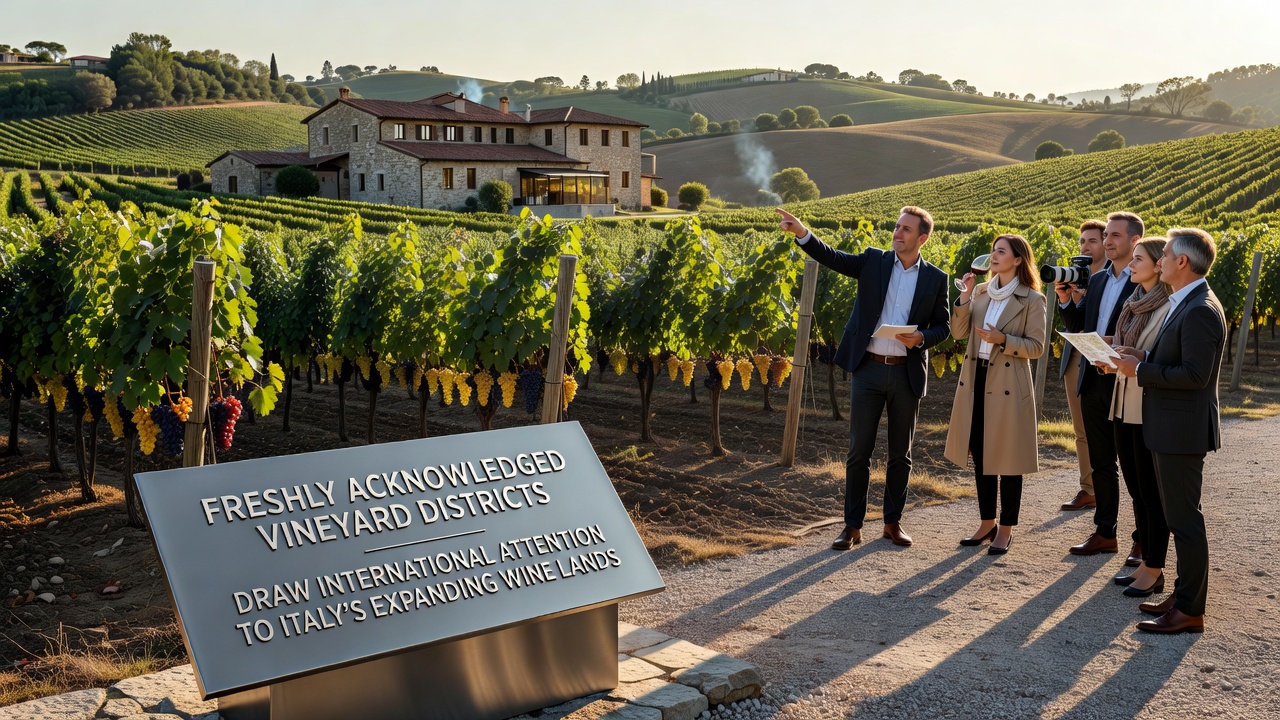
Tourism boards in affected provinces report higher numbers of wine-focused travelers, and several estates opened tasting rooms after the designations took effect. Infrastructure investments include road improvements and signage funded partly through EU rural development programs, while local chambers of commerce coordinate promotional events that highlight the new districts. In September 2026 the region of Basilicata hosts an international symposium on emerging vineyard zones, and organizers expect participation from buyers representing twenty countries along with academics presenting soil and climate studies. Hotel occupancy rates in smaller towns near the new districts climbed during the 2025 harvest season, according to regional statistics, and this pattern aligns with broader growth in enotourism across southern Italy.
Production Data and Varietal Focus
Yield records from the newly recognized zones show steady increases in both quantity and consistency, and producers attribute part of the improvement to updated irrigation guidelines issued by regional authorities. Native grapes such as Magliocco in Calabria and Tintilia in Molise now appear on more labels, while plantings of international varieties remain limited under the new production rules. The National Wine Observatory compiled figures that place total output from these districts at approximately 180,000 hectoliters for the 2025 vintage, and that volume represents a measurable addition to national totals. Certification bodies conduct annual audits to verify compliance with planting density and harvesting dates, which helps maintain quality standards across the expanded landscape.
Challenges in Scaling Recognition
Administrative requirements for documentation and mapping create delays for some applicant zones, and smaller cooperatives sometimes struggle to assemble the necessary historical records. Soil analysis costs and legal fees add further hurdles, yet several districts overcame these obstacles through partnerships with university extension services that supplied technical assistance. European Commission reports note that Italy submitted the highest number of new geographical indication requests among member states in 2024 and 2025, which reflects both the diversity of Italian terroirs and the administrative capacity developed over recent decades. Producers in adjacent areas watch the outcomes closely, since successful applications can influence land values and investment decisions in neighboring municipalities.
Conclusion
The addition of newly acknowledged vineyard districts continues to reshape Italy's wine map as official recognition opens pathways for producers who previously lacked formal classification. Export growth, tourism increases, and production data all point to sustained activity around these zones, while administrative and technical support systems help manage the expansion. Ongoing submissions suggest that further districts may receive status in coming years, which will extend the documented landscape and connect additional areas to international markets.