Iris Beck · 2 October 2026
Tracking Demand: Younger Shoppers Boost Sales of Top-Tier Italian Reds Across the Continent
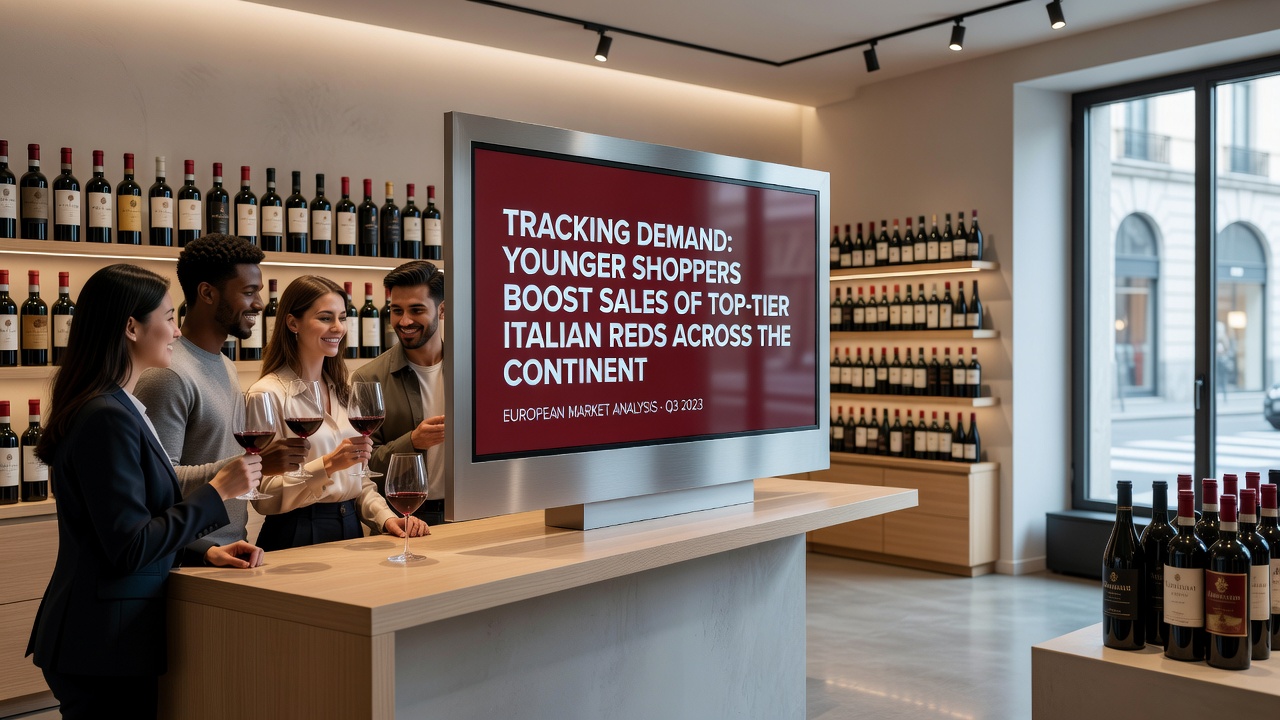
Younger shoppers have driven measurable increases in sales of premium Italian red wines throughout Europe, with data from multiple markets showing consistent growth patterns since 2024. Regions across the continent report higher volumes of Barolo, Brunello di Montalcino, Amarone della Valpolicella and other classified reds moving through both online platforms and traditional retail channels, particularly among consumers aged 25 to 40.
Market Data and Regional Patterns
Figures compiled through 2026 indicate that Italian red wines priced above €30 per bottle captured larger shares in Germany, France, the Netherlands and Scandinavia, where younger buyers accounted for roughly 38 percent of total volume in the premium segment during the first three quarters of the year. In October 2026, distributors noted continued upward trajectories in these categories even as overall still wine consumption remained flat in several countries.
One study released by the International Organisation of Vine and Wine tracked import values for DOCG reds from Italy and found that shipments to northern European ports rose 14 percent year-over-year through mid-2026, with the strongest gains occurring in bottles carrying recent vintages of Nebbiolo and Sangiovese. Observers note that digital marketplaces and subscription services contributed to this shift by offering smaller formats and curated selections that appealed directly to first-time buyers of high-end labels.
Demographic Shifts in Purchasing Behavior
Retail analytics platforms document that Millennials and early Gen Z shoppers increasingly select Italian reds during both everyday and occasion-based purchases, often prioritizing appellations with documented aging requirements and single-vineyard designations. In the United Kingdom, for example, sales data from major chains showed that bottles from the 2019 and 2020 vintages outsold previous equivalents by double-digit margins among this age group, while older demographics maintained steadier demand for entry-level expressions.
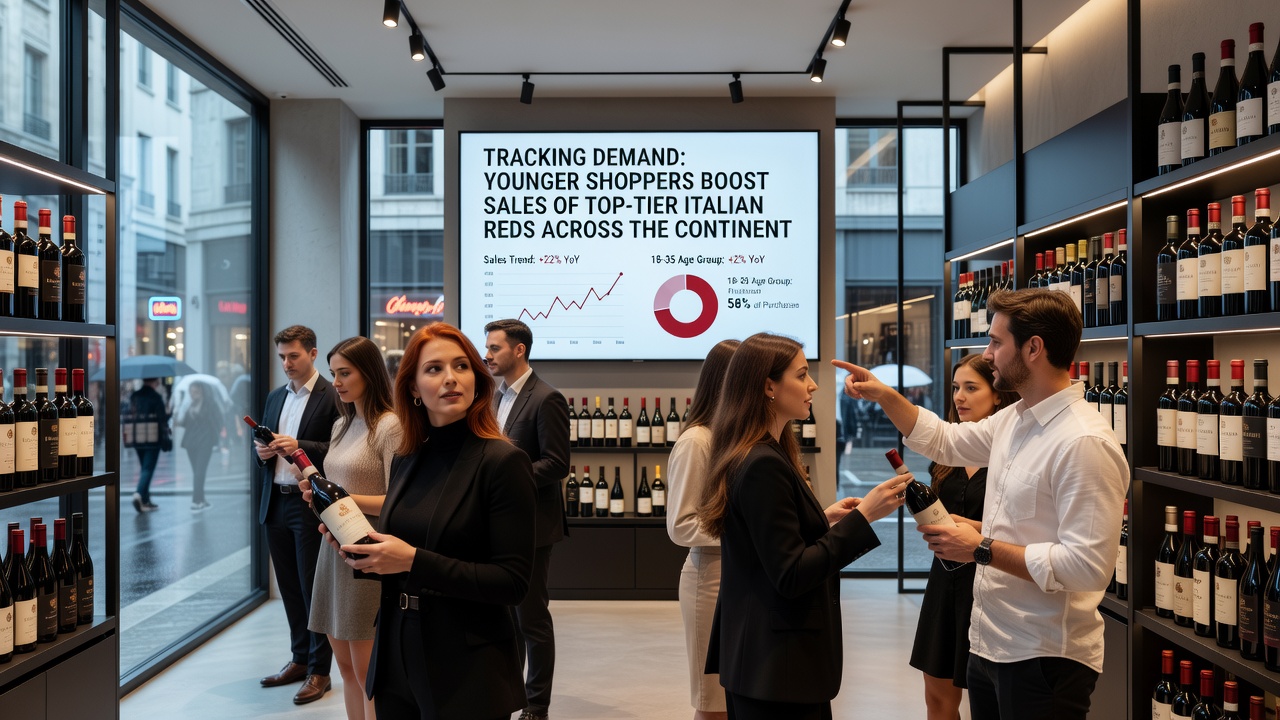
Those who have examined transaction records across the continent point to several contributing factors, including expanded availability through specialist importers, greater visibility on social platforms and targeted educational content that explains production methods and aging potential. A report issued by the Australian Wine Research Institute, which compared cross-continental consumer datasets, confirmed that awareness of Italian quality classifications had risen among younger adults in Europe between 2023 and 2026, correlating with higher average spend per transaction.
Supply Chain and Distribution Adjustments
Producers and exporters adjusted allocations in response to these patterns, directing more aged stock toward markets where younger buyers predominate. Logistics partners handling container shipments from Genoa and Livorno recorded elevated volumes of wooden-crate packaging destined for distribution centers in Belgium and Switzerland, where independent wine merchants reported steady replenishment of top-shelf inventory throughout the summer and early autumn of 2026.
Trade associations representing Italian wine exporters noted that promotional activities focused on pairing suggestions and food compatibility helped sustain momentum, while regulatory frameworks governing appellation labeling remained stable across the European Union. Data collected by national statistics offices in Italy showed corresponding rises in production volumes of qualifying reds during the 2025 harvest, supporting the increased export flow.
Broader Industry Context
Across the continent, the trend aligns with wider changes in how younger generations approach wine selection, moving toward fewer but higher-value purchases rather than volume-driven buying. Eurostat figures on household expenditure for alcoholic beverages indicate that the share allocated to wines above a certain price threshold grew in several member states, with Italian reds featuring prominently in the upper categories. Industry analysts tracking point-of-sale information continue to monitor whether these gains extend into additional categories such as white and sparkling wines from the same regions.
Conclusion
Current sales records demonstrate that younger shoppers have become a significant driver of premium Italian red wine movement throughout Europe, supported by distribution adjustments, digital accessibility and sustained consumer interest in classified appellations. As October 2026 data continues to arrive from multiple markets, the patterns observed so far suggest ongoing alignment between supply decisions and evolving demand profiles across the continent.